
Walter’s Courage
William Tell (P. G. Wodehouse Edition)This thread follows Walter from an eager apprentice to the brave child who withstands the apple challenge and returns safely to family life.
increasing Bearing strength in each event
 decreasing
Bearing strength in each eventdecreasingA Young Archer
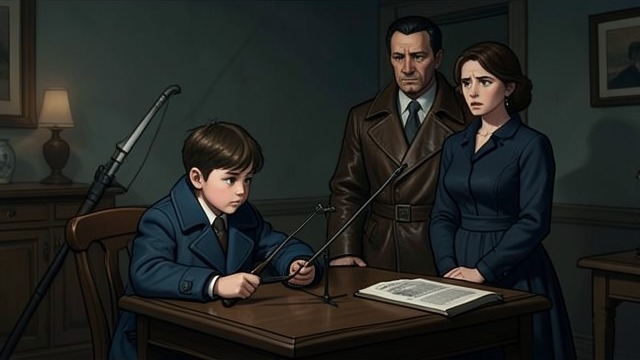
A Young Archer
Learning by practice
Walter plays with a small crossbow and asks his father to help with a broken bowstring.
A family disagreement
Hedwig thinks he should help at home, while William Tell believes early practice makes a good marksman.
Walter’s childhood is shaped by competing ideas of duty and preparation.
The Longed-For Journey

The Longed-For Journey
A promised outing
Walter cries to accompany William Tell because his father had promised to take him to town.
A mother’s worry
Hedwig protests, but Tell lets the boy join him.
The ordinary excitement of a child’s trip leads directly to the central danger.
A Dangerous Claim
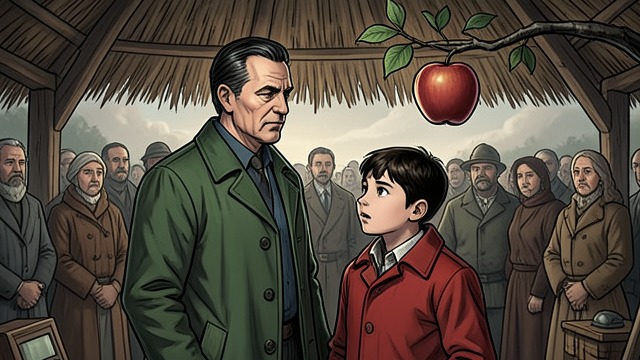
A Dangerous Claim
Pride in his father
Walter tells Hermann Gessler that William Tell can hit an apple at a hundred yards.
Words turned into a trap
Gessler uses the boast to demand a shot with Walter’s life at stake.
Walter’s confidence becomes the pretext for the Governor’s cruel test.
Standing Beneath the Apple
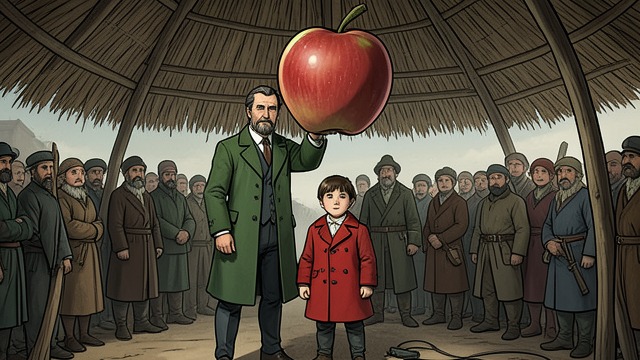
Standing Beneath the Apple
Courage under threat
Walter refuses to kneel or have his eyes bound and says he will stand still for his father.
Trust in Tell
He encourages William Tell to shoot, confident that his father will not miss.
The boy’s bravery steadies the scene without diminishing its danger.
A Safe Return
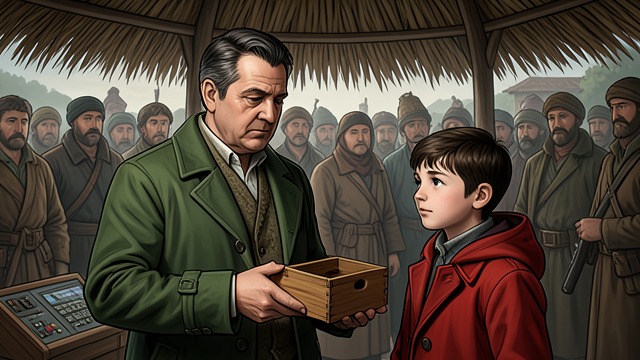
A Safe Return
Relief and pride
Walter survives and proudly shows the apple pierced by his father’s arrow.
Childhood resumes
He is distressed when Rudolph der Harras bites the apple, then eats it himself after it is returned.
The small, comic appetite of the child follows a near-fatal ordeal.
Before the journey to town
The morning Tell sets out for town
At the meadow, after Tell is detained
During the shooting challenge
After the successful shot
